How to Dress in Sicily for a Trip: What to Pack
Real-time weather forecast for Sicily
Packing for a trip to Sicily mainly means considering the time of year, the areas you plan to visit and the activities on your itinerary. The climate is generally mild, but there can be significant differences between a seaside city and a mountain or hilltop location.
A holiday in Palermo, Catania and other Sicilian cities calls for a different approach than a stay in the Aeolian Islands or a trip up Mount Etna. Even a day in Taormina can include the historic centre, the beach and dinner, so it is useful to pack clothes that can easily be combined for different occasions.
In this guide, we look at what to pack for Sicily, what to wear throughout the different seasons and what to consider when your itinerary includes Palermo, Catania, Taormina, Cefalù, Syracuse, Erice, Mount Etna or the islands.
Sicily’s Climate: Temperatures and What to Pack Month by Month
Before deciding what to pack, it is useful to have a general idea of the Sicilian climate. The temperatures in the table are indicative and can vary depending on the area, altitude and weather conditions during the season.
“`html
| Month | Average high | Average low | What to pack |
|---|---|---|---|
| January | 16 °C | 5 °C | Often mild days, but cold evenings and a possibility of snow on Mount Etna. |
| February | 16 °C | 5 °C | Similar to January, with layers being the best choice. |
| March | 18 °C | 7 °C | Changeable spring weather, with pleasant afternoons and cool evenings. |
| April | 21 °C | 9 °C | A good time for sightseeing, with some already warm days. |
| May | 25 °C | 13 °C | One of the most balanced months for city visits, excursions and the first swims. |
| June | 30 °C | 18 °C | Summer heat, pleasant sea temperatures and generally mild evenings. |
| July | 33 °C | 21 °C | Intense heat and strong sunshine, especially during the central hours of the day. |
| August | 33 °C | 22 °C | The hottest period, with high temperatures even in the evening. |
| September | 29 °C | 19 °C | Still fully summery, but temperatures are generally more manageable. |
| October | 25 °C | 15 °C | The beginning of the month is often still summery, with more changeable weather towards the end of October. |
| November | 20 °C | 10 °C | Mild autumn weather, but with a greater chance of rain and cooler days. |
| December | 17 °C | 7 °C | Mild weather along the coast, but warmer clothing is needed. |
“`
How to Check the Weather Before Your Trip
Average temperatures are useful as a general reference, but before leaving it is always best to check the latest forecast for the places included in your itinerary.
The differences can be noticeable even between relatively nearby locations: Palermo does not have the same climate as Erice, and a day on Mount Etna requires different preparation from a visit to the coast. It is therefore worth checking the forecast for each specific destination before deciding what to pack.
How to Dress in Sicily: Tips Based on Your Destination
For a trip focused mainly on cities and historic centres, choosing what to wear is fairly straightforward. You need comfortable clothes for walking and, during the cooler months, a few layers that can be added or removed during the day.
Palermo and Catania: What to Wear When Visiting the Cities
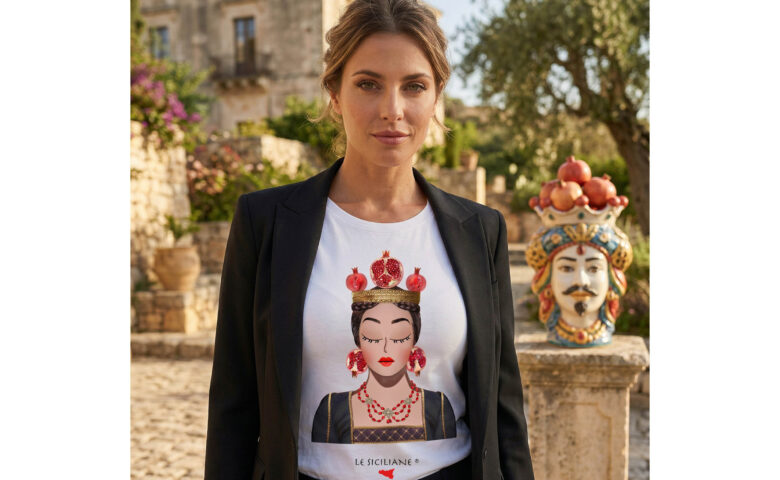
In Palermo and Catania, it is easy to combine markets, museums, monuments, aperitifs and restaurants in the same day. In spring and summer, a selection of lightweight T-shirts can form the basis of your suitcase, while for the evening it is enough to add something suited to the temperature and the occasion. In central areas, such as the Politeama area in Palermo or the centre of Catania, you may also want something a little more polished than what you would wear for a day at the beach.
Taormina and Cefalù: What to Wear Between Town, Beach and Excursions
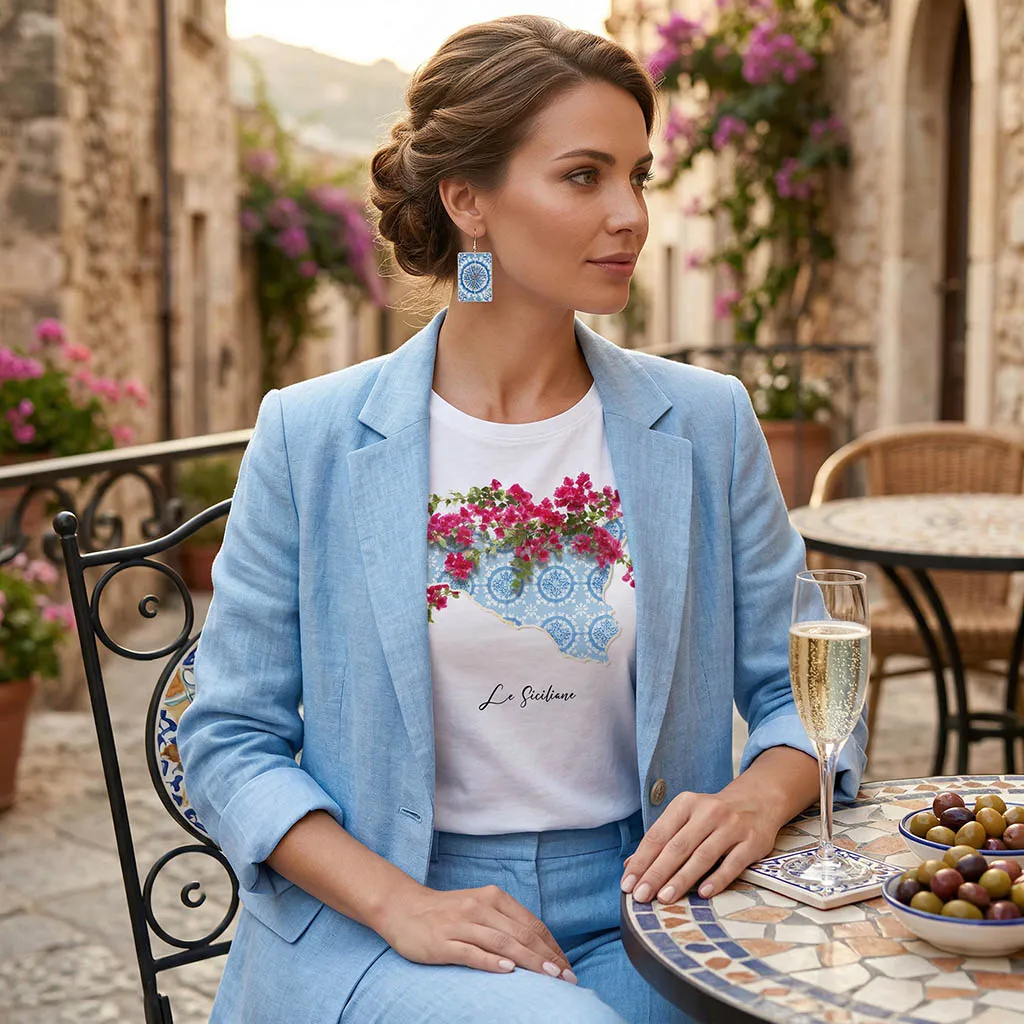
In Taormina and Cefalù, the historic centre and the sea are often part of the same itinerary. In summer, your suitcase can therefore be mainly focused on warm-weather clothing, but comfortable shoes for walking are important, as are clothes that work just as well away from the beach.
Syracuse and Ortigia: What to Pack
The same applies to Syracuse and Ortigia, where a day can combine cultural visits, walks and time by the sea. In spring and autumn, layering is the most practical approach; in summer, much lighter clothing is usually enough.
Catania and Mount Etna: What to Wear for an Excursion
Some destinations require more attention because the weather or the type of activity can be very different from what you experience in the coastal cities.
If you are travelling from Catania to Mount Etna, keep the difference in altitude in mind: even in summer, temperatures can drop considerably as you go higher. For an excursion, suitable footwear and practical clothing are also more important than they are for a city visit.
Erice: What to Wear Even in the Warmer Months
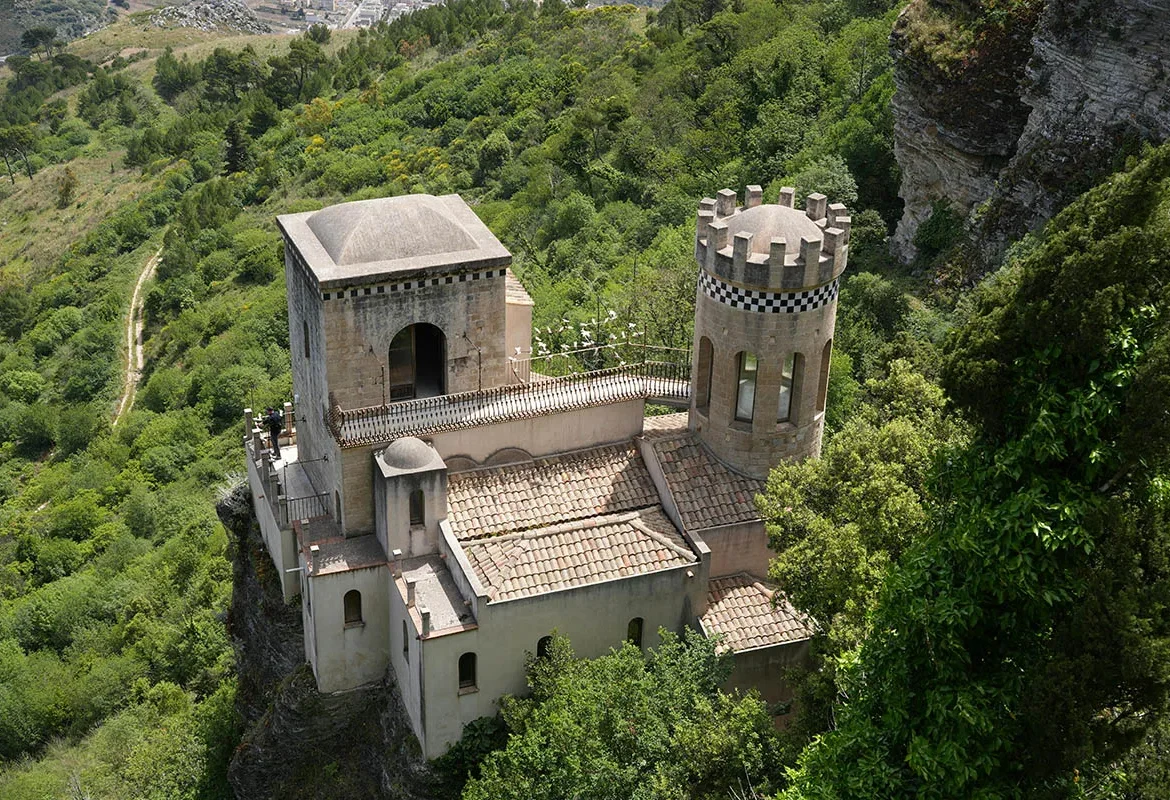
In Erice, wind and fog can quickly change how the temperature feels. Even when it is hot on the coast, it can be useful to have an extra layer with you. The same applies if Erice is part of an itinerary that also includes Trapani or San Vito Lo Capo.
Aeolian Islands: What to Pack for a Holiday of Beaches and Excursion
In the Aeolian Islands, what you pack depends mainly on your plans. For a beach holiday, the usual summer clothing is enough; if you are planning hikes or excursions, such as on Vulcano or Stromboli, suitable footwear and practical clothing are essential.
How to Dress in Sicily in Spring
March and April are months when it is better not to pack as if the weather were already fully warm. A T-shirt can be comfortable during the middle of the day, while mornings and evenings may require an additional layer.
In May, temperatures rise and lightweight clothing becomes more useful. It is still worth having something warmer for cooler periods, especially if you expect to spend long days outdoors.
In spring, therefore, layers are the most practical solution: a small selection of easily combined clothes allows you to adapt to changing temperatures without overpacking.
How to Dress in Sicily in Summer: What to Pack for the Beach
June, July and August are the easiest months to plan for in terms of clothing, but they are also when the heat can be most demanding.
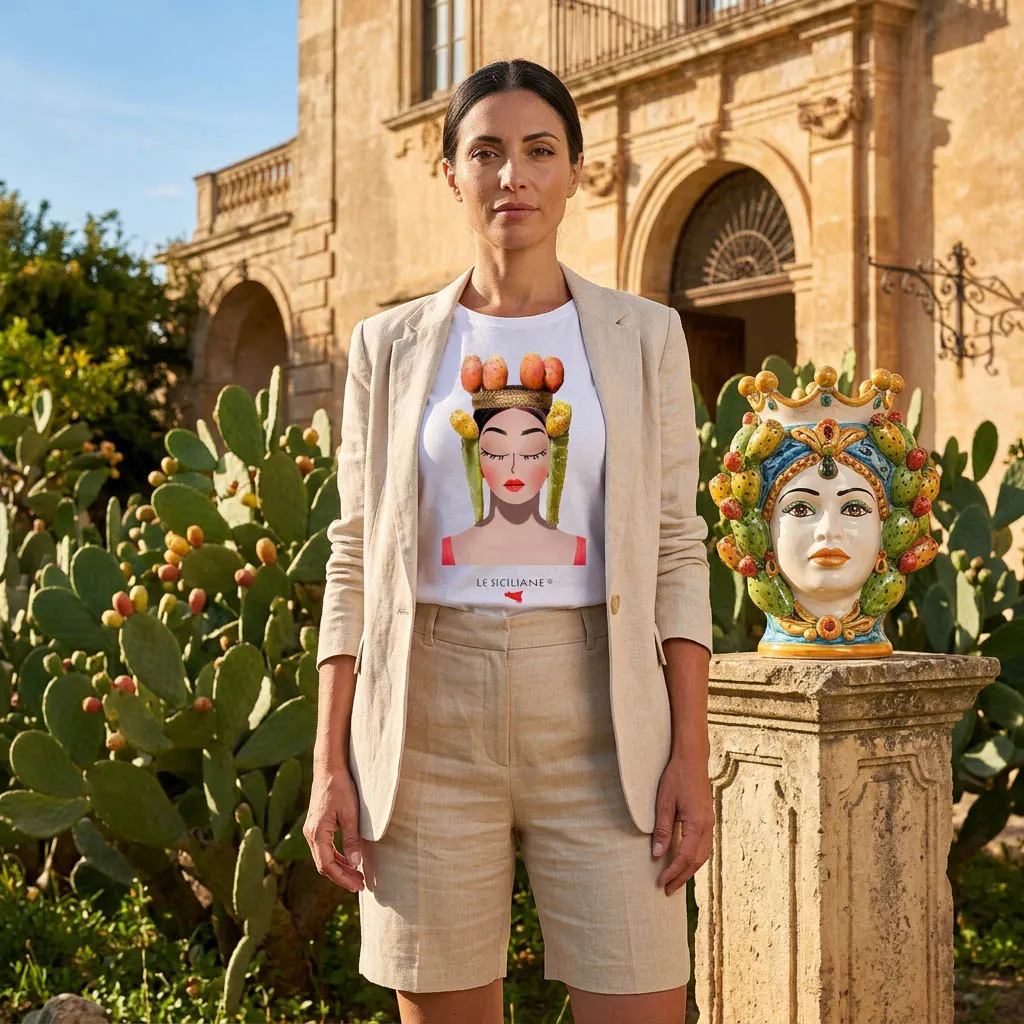
T-shirts become the main choice for days in cities, villages and less demanding excursions. Lightweight fabrics are preferable, and it is worth packing enough changes of clothes, especially if you will be spending many hours outdoors.
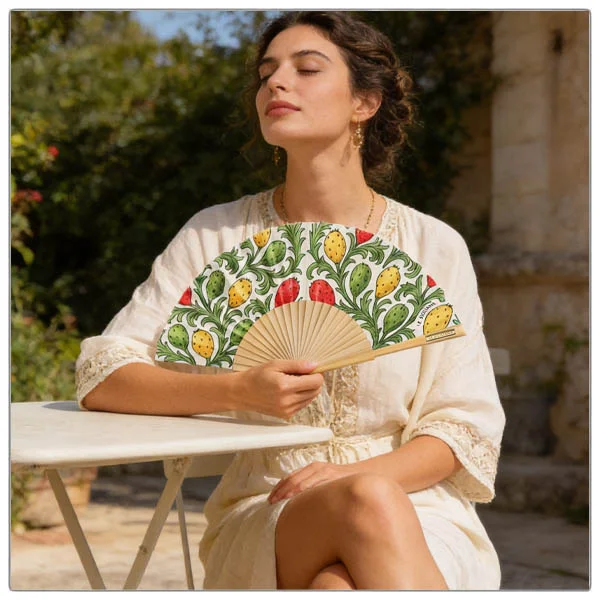
From June onwards, you can add Sicilian-print swimwear. In July and August, when the sun is stronger and the middle of the day can be particularly hot, a hand fan can also be useful.
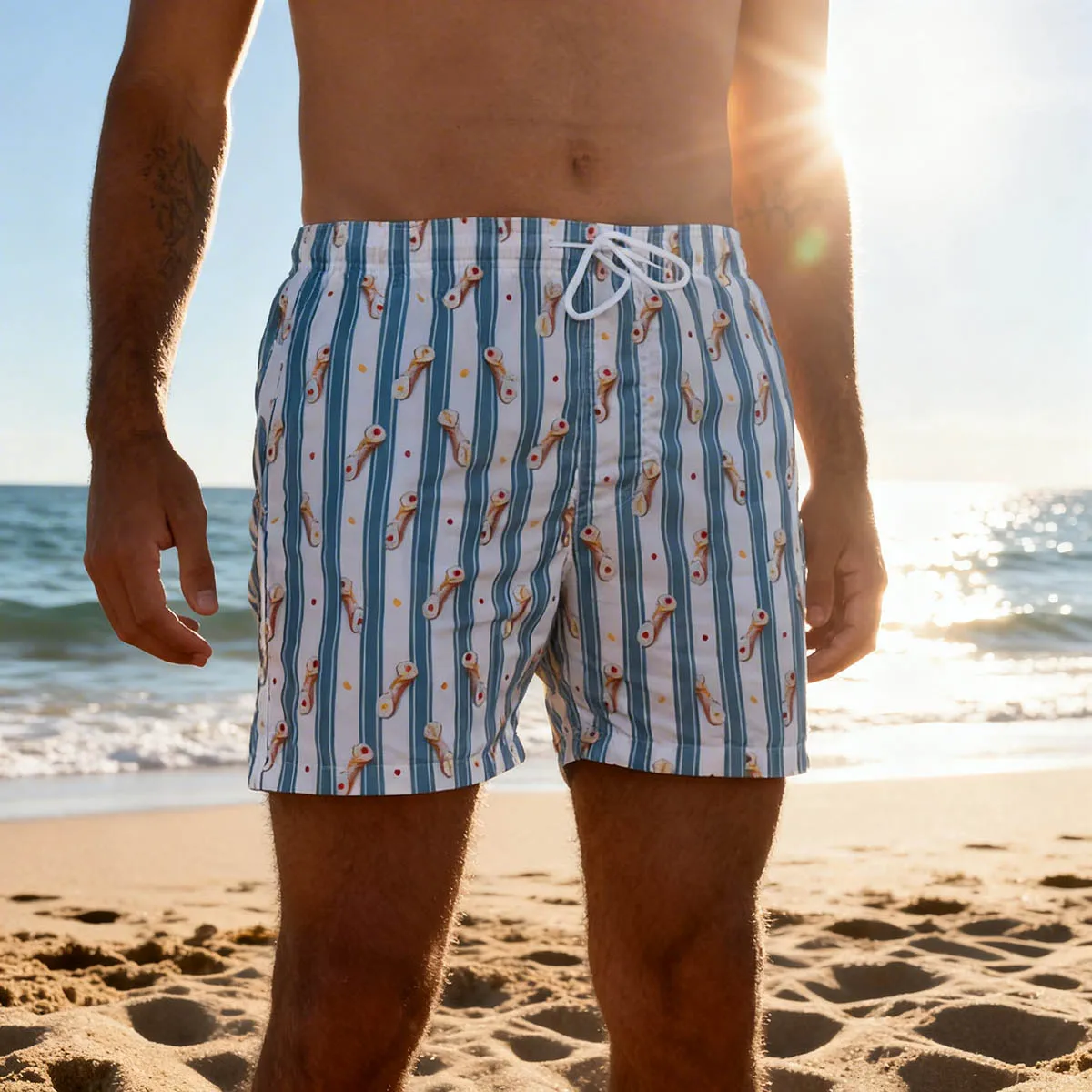
If your trip includes several days at the beach, in addition to swimwear it is useful to pack a beach towel, sandals, sunglasses, a hat suitable for Sicily and sunscreen.
If you are combining beach days with sightseeing, choose clothes that work in both settings. This way, you do not need to pack a separate outfit for every activity.
How to Dress in Sicily in September
September does not necessarily mark the beginning of autumn. Temperatures can still be summery and the sea generally remains warm, so swimwear, T-shirts and lightweight clothing are still useful.
The main difference compared with July and August is usually noticeable in the evening and during the second half of the month. A silk scarf or stole takes up very little space and can be useful when temperatures drop after sunset, whether you are going out for dinner or spending the evening in town.
How to Dress in Sicily in Autumn
October is a transitional month. Early October can still be very mild, particularly along the coast, while cooler days and a greater chance of rain become more common towards the end of the month.
An autumn suitcase should therefore include T-shirts, long trousers, a sweatshirt or light jacket, and closed shoes.
In November, the weather becomes more changeable and layers become particularly useful again. If rain is forecast, it is worth adding a lightweight waterproof jacket.
How to Dress in Sicily in Winter
Winter in Sicily is generally milder than in many other parts of Italy, but that does not mean you can rely on a light autumn suitcase.
For Palermo, Catania and other coastal cities, you will need long trousers, tops, a jacket and closed shoes. Sunny days can be pleasant, while temperatures drop in the evening.
A sweatshirt can be useful during colder periods, while anyone planning mountain excursions should take into account that temperatures can be very different from those in the coastal areas.
Shoes: What to Pack for a Trip to Sicily
Shoes are one of the things worth choosing carefully.
If your itinerary includes Palermo, Catania, Taormina, Cefalù or Syracuse, a comfortable pair of walking shoes should be the starting point. In summer, you can add sandals or lighter footwear.
If you are planning hikes on Mount Etna, Stromboli, Vulcano or other trails, you will need footwear suitable for the terrain. Walking shoes and hiking shoes do not serve the same purpose.
What to Carry in Your Backpack During the Day in Sicily
For day trips and sightseeing, it is better to avoid carrying unnecessary weight.
In summer, water, sunglasses, sunscreen, a hat and a portable power bank may be enough. If your day includes a visit to a church or other place of worship, it can be useful to have a lightweight garment to cover your shoulders.
In spring and autumn, you may also want to add a light layer if you expect to return after sunset.
How Many Clothes Do You Need for a Holiday in Sicily?
For a one-week holiday in Sicily, you generally do not need to bring a large number of clothes. A practical suitcase can include around 5–7 tops, 2–3 pairs of trousers or shorts, underwear for the entire stay and a light jacket or sweater for cooler evenings.
In summer, lightweight and breathable clothes are usually enough, while in spring and autumn it is useful to dress in layers. If your trip includes both coastal areas and places at higher altitude, such as Mount Etna or Erice, bring at least one warmer item even when the weather forecast looks mild.
Checklist: What to Pack for Sicily
Before leaving, check your itinerary and the weather forecast for the areas you plan to visit. This simple checklist can help you prepare your suitcase:
- Lightweight T-shirts and tops
- Trousers, shorts or skirts depending on the season
- A light jacket or sweater
- Comfortable shoes for walking
- Swimwear and beachwear in the warmer months
- A hat for sunny days
- Sunglasses and sunscreen
- A small backpack or bag for day trips
- A light rain jacket or compact umbrella in autumn and winter
- A warmer layer if you plan to visit Mount Etna, Erice or other higher-altitude areas
For a summer holiday, it is also worth leaving some space in your suitcase for accessories and clothing you may find during your trip. Lightweight Sicilian-inspired garments and accessories can be easy to combine with a travel wardrobe.
Sicily Weather: What to Pack Month by Month
The weather in Sicily changes considerably throughout the year, so what you should pack depends largely on the month of your trip.
January and February: bring layers, a warmer jacket and closed shoes. Coastal areas can be relatively mild during the day, while evenings are colder and temperatures are much lower at higher altitudes.
March and April: spring weather can be changeable. Lightweight clothes, a sweater or light jacket and comfortable shoes are a good combination for sightseeing.
May: days are often warm and pleasant, while evenings can still be cooler. Pack summer clothes together with one light layer.
June, July and August: choose lightweight, breathable clothing, comfortable sandals or shoes, a hat and swimwear. Sun protection is particularly important during the hottest part of the day.
September: summer conditions often continue, especially during the first part of the month. Light clothing and beachwear are still useful, with a light layer for the evening.
October: the beginning of the month can still feel like summer, while conditions become more variable later on. Pack a combination of lightweight clothes, layers and a light jacket.
November and December: temperatures are generally milder along the coast than in northern Italy, but cooler days and rain are more likely. Bring layers, a waterproof jacket and warmer clothes for the evening.
From June to September, lightweight clothing is generally the most practical choice, while during the rest of the year dressing in layers makes it easier to adapt to changes in temperature throughout the day.